

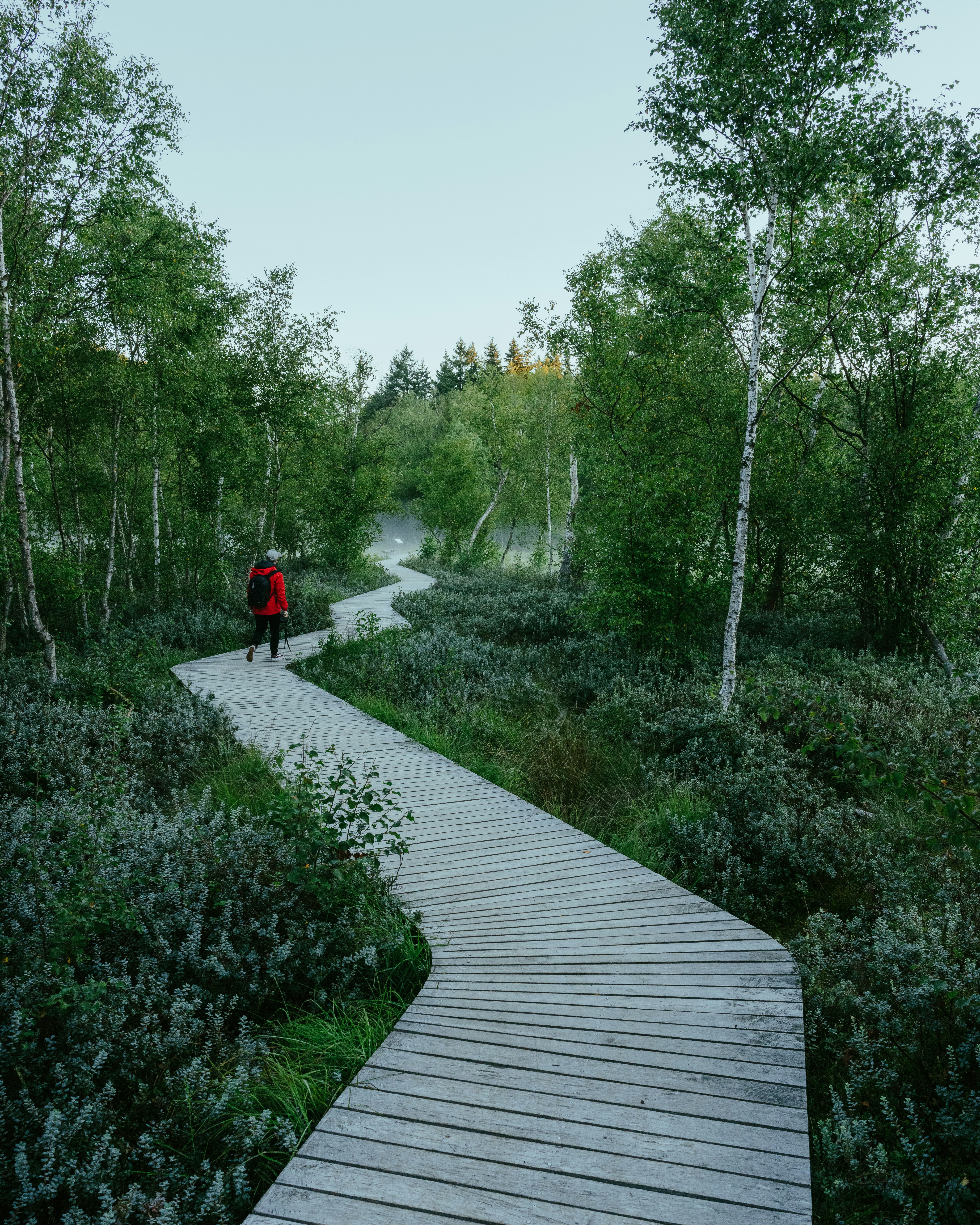
Introduction to the Concept of Journeys
The concept of journeys is deeply embedded in human experience, serving as a fundamental element of both our daily lives and our personal narratives. Traditionally, journeys have been measured in terms of distance and time; quantifiable metrics like miles traveled or hours spent. This quantification allows us to frame our routes in a structured manner, offering a sense of control and predictability. However, as we delve deeper into the idea of journeys, it becomes evident that they extend beyond mere physical movement.
Metaphorically, journeys can encapsulate our experiences, growth, and transformations. Life itself can be perceived as a series of journeys, each comprising challenges and milestones that significantly contribute to our development. Examining journeys through this lens encourages us to reflect on the less tangible aspects of growth such as emotional resilience, learning, and interpersonal relationships. In this context, the emphasis is placed on the richness of experiences rather than solely on meeting specific metrics.
As we explore the relationship between journeys and nature, we recognize that nature serves as a backdrop for many of our most profound experiences. Engaging with the natural world allows individuals to embark on journeys of self-discovery, fostering a connection with the environment that can lead to both personal and spiritual growth. Immersing ourselves in nature not only provides a meaningful escape but also generates opportunities for introspection, creativity, and mindfulness.
This shift from a numeric assessment of journeys towards emphasizing experience and growth is pivotal as we seek to understand the inherent beauty of our interactions with the natural world. By redefining how we perceive journeys, we pave the way towards a deeper appreciation of the transformative power that nature possesses, ultimately enriching our overall understanding of what it means to journey through life.
The Essence of Nature in Our Journeys
Nature has an inherent ability to influence our personal journeys, offering a landscape rich with opportunities for transformation and understanding. From majestic mountains to serene forests, the natural world provides us with environments that inspire reflection, healing, and personal growth. These experiences can lead to profound insights and changes in perspective, emphasizing the importance of nature during our travels.
When individuals immerse themselves in natural settings, they often find themselves in a state of mental rejuvenation. The tranquility of a forest, for example, can reduce stress and anxiety, allowing one to reconnect with inner thoughts and feelings. Studies have shown that spending time outdoors can significantly enhance emotional well-being, leading to increased levels of happiness and decreased instances of depression. This direct correlation between nature and mental health highlights how the landscapes we travel through can revitalize not just our bodies, but our minds as well.
Our journeys through nature can also redefine our values and priorities. Experiences such as hiking in the mountains or walking along a tranquil beach can instigate a sense of wonder and appreciation for the simplicity of life. These moments of connection foster a deeper understanding of our place within the larger ecosystem, encouraging us to consider our responsibilities toward the environment. As we engage more with nature, we begin to cultivate a holistic view of life that encompasses both personal aspirations and collective ecological well-being.
Ultimately, the essence of nature lies in its transformative power during our journeys. By embracing the outdoors, we create pathways for emotional growth, enhanced well-being, and a renewed sense of purpose that reshapes our understanding of travel and life itself. This intrinsic connection serves as a reminder of nature’s immeasurable influence on our individual stories.
Shifting Perspectives: From Miles to Moments
In the realm of travel, traditional metrics have long dominated the conversation, with distance and duration serving as the primary indicators of journey significance. However, a growing trend encourages travelers to shift their perspectives from quantifiable measures to qualitative experiences. This transition emphasizes the importance of memorable moments and the feelings that evoke a sense of connection with nature rather than simply counting miles traversed.
As individuals embark on their adventures, the focus is now increasingly on appreciating the beauty of the surroundings and the impact of each moment. Nature offers diverse experiences that stretch beyond the constraints of mileage; for instance, the serene beauty of a sunset, the sound of rustling leaves, or the scent of a fresh bloom can evoke profound emotions that enhance the overall journey. Emphasizing these moments fosters a deeper appreciation of travel, creating a richer emotional tapestry that cannot be quantified by hours or miles alone.
The meditative aspect of immersing oneself in nature and its beauty serves to transform travel from a mere checklist of destinations into a series of poignant experiences. Embracing this paradigm shift allows travelers to cultivate mindfulness, prioritize moments that resonate with them personally, and deeply connect with their environments. This is particularly salient as travelers recount their adventures, often choosing to share stories surrounding impactful moments—such as a friendly encounter or a breathtaking view—over mere statistics of distance traveled.
Ultimately, by redefining our approach to journey measurement, we encourage a more fulfilling and emotionally rich experience. As we step away from rigid metrics and embrace the subjective qualities of travel, we find joy not only in reaching a destination but also in the myriad moments that make each journey unique and memorable.
Nature as a Guide: Lessons Learned
Throughout our journeys, whether they are physical travels through scenic landscapes or metaphorical journeys of self-discovery, nature serves as a profound teacher, imparting essential life lessons. In various philosophical and spiritual traditions, nature’s influence is celebrated as a catalyst for personal growth and introspection. One of the most significant lessons that nature offers is the virtue of patience. Observing the cyclical changes in nature, from the slow unfolding of a flower to the gradual transformation of seasons, encourages individuals to embrace the concept of time without rush. This allows one to appreciate life’s unfolding events rather than forcing them to fit an anticipated timeline.
Furthermore, resilience emerges as another key lesson drawn from the natural world. Despite extreme weather conditions, rugged terrains, or internal struggles, nature flourishes and adapts, illustrating the power of perseverance. Many individuals find inspiration in the tenacity of trees that bend but do not break in storms, which often resonates deeply during personal hardships. For example, a hiker experiencing challenging trails may reflect on the strength required to navigate such obstacles, paralleling it with the resilience needed in their personal lives.
Gratitude is another profound insight gleaned from nature. Many people describe a sense of awe when surrounded by natural beauty, fostering a deep appreciation for the resources and experiences life offers. These reflections often prompt individuals to express gratitude for their environment, relationships, and even the challenges they face—each contributing to their unique journey. Personal anecdotes abound, with many recalling moments spent in nature that triggered significant life shifts or realizations, often framing their experiences as pivotal turning points. In embracing these lessons learned from nature, individuals find themselves better equipped to navigate the complexities of life with a renewed sense of purpose.
Cultivating Mindfulness in Nature
Engaging with nature offers a unique opportunity to cultivate mindfulness, a practice that encourages individuals to immerse themselves fully in the present moment. By focusing on the sights, sounds, and sensations of the natural world, one can enhance their overall well-being and enrich their journey experience. To effectively practice mindfulness in nature, several techniques can be employed.
One such technique is to start with focused breathing. As you find a quiet spot, close your eyes and take a few deep breaths, allowing your exhale to release any tension. This simple act anchors your awareness, preparing you for a deeper engagement with your surroundings. Following this, open your eyes and tune into the world around you. Notice the colors of the leaves, the texture of the bark, or the soft rustle of grass in the wind. Each element invites you to explore and appreciate the present moment.
Another effective mindfulness technique is to engage your senses deliberately. Try to identify specific sounds, such as the chirping of birds or the gentle flow of water in a nearby stream. Listen intently, allowing these sounds to wash over you. Similarly, seek out various scents—perhaps the fragrant aroma of wildflowers or the earthy scent after rain. These sensory experiences ground you, reinforcing a sense of connection with the environment.
Additionally, incorporating movement into your mindfulness practice can be beneficial. Whether it be a slow, intentional walk or a gentle stretch, mindful movement invites you to be aware of your body and its interactions within nature. Pay attention to how your feet touch the ground or the way your arm reaches toward a branch. This form of body awareness fosters a deeper sense of presence, enabling a more immersive experience during your nature-inspired journeys.
Through these practices, cultivating mindfulness in nature becomes not just an enrichment of one’s journey but a pathway to a profound appreciation for the beauty and tranquility that the natural world provides.
The Role of Nature Stories in Changing Perspectives
Storytelling has long been a powerful vehicle through which human experiences are shared, understood, and appreciated. The intersection of nature and storytelling assumes a particularly essential role when it comes to changing perceptions about travel and the journeys we undertake. Nature stories serve not only as narratives embedded with personal insights but also as catalysts that invite individuals to engage more meaningfully with their surroundings.
When individuals recount their intimate experiences in nature, they often highlight not just the beautiful landscapes but also the emotional and transformative impact these experiences have had on their lives. These stories resonate deeply, prompting readers to rediscover an appreciation for the world beyond. By sharing personal narratives that illustrate the profound connection between the traveler and the natural environment, storytellers encourage a shift from a transactional view of travel, where destinations are mere points on a map, to an experiential approach that emphasizes the beauty of immersion and active engagement.
Furthermore, nature stories have the unique ability to evoke empathy and inspire reflections that challenge preconceived notions. For instance, a narrative detailing a trekking expedition through a mesmerizing forest may illuminate the delicate ecosystems within it and the urgency of conservation, reshaping the reader’s perspective on their role in protecting the environment. Such accounts highlight that journeys are not solely about physical movement; they encompass emotional and ethical dimensions that can redefine one’s travel experiences.
By embracing nature stories, we can foster a deeper understanding of our connections to the earth, enhancing our capacity for appreciation and mindfulness during our journeys. Through personal reflections that intertwine profound experiences with nature, we are encouraged to explore the world around us in richer, more meaningful ways.
Building a Community Around Nature Journeys
In recent years, the significance of community in nature-oriented journeys has gained substantial attention. The shared experience of exploring the great outdoors not only enriches individual adventures but also fosters deep connections among participants. Such connections are vital for nurturing a sense of belonging and shared purpose, which can enhance the overall experience of engaging with nature.
Group hikes represent a wonderful opportunity to cultivate these connections. They enable individuals to share discoveries while traversing scenic landscapes, and the camaraderie developed along the trails can lead to lasting friendships. Participants often share tips, stories, and knowledge about the local flora and fauna, which enhances the learning experience and encourages environmental stewardship. As hikers forge bonds over their collective experiences, they also reinforce the notion that nature is a shared sanctuary that can be enjoyed together.
Moreover, nature retreats offer another platform for community building, bringing people together to immerse themselves in serene environments. These retreats often include workshops, team-building exercises, and guided explorations, creating a conducive atmosphere for participants to engage meaningfully with both nature and each other. Through these interactions, individuals can reflect on their experiences and gain insights into the impacts of nature-centric activities on personal well-being and global sustainability.
Additionally, eco-volunteering is an impactful way to unite like-minded individuals who share a passion for environmental conservation. Participating in community-based projects, such as tree planting or wildlife rehabilitation, fosters a sense of responsibility and interconnectedness among volunteers. Such initiatives not only contribute positively to the natural world but also reinforce the strength of community ties as individuals work collaboratively toward a common goal.
Ultimately, the beauty of nature’s impact is magnified when experienced alongside others. Through group activities, retreats, and volunteer opportunities, individuals can build enriching communities centered around their love for the outdoors, enhancing both personal fulfillment and collective conservation efforts.
Practical Tips for a Nature-Focused Journey
Embarking on a nature-focused journey requires thoughtful planning and consideration of various elements to ensure an enjoyable and responsible experience. First and foremost, selecting the right destinations is crucial. Seek out national parks, nature reserves, and other protected areas that celebrate natural beauty while offering a variety of activities such as hiking, birdwatching, or kayaking. Resources like travel blogs, websites dedicated to eco-tourism, and guides on local flora and fauna can help identify destinations that align with your interests and allow for an immersive experience in nature.
When preparing for your journey, packing appropriately is essential. Opt for lightweight, breathable clothing that can withstand varying climates; remember to include layers for unpredictable weather conditions. Essential gear may also include sturdy hiking boots, a reusable water bottle, a compact first-aid kit, and biodegradable toiletries to minimize your environmental footprint. Additionally, consider bringing along portable snack options to sustain energy levels without relying on single-use packaging.
Incorporating eco-friendly practices into your travel plans should also be a priority. This may involve choosing sustainable accommodations, such as eco-lodges or campsites that focus on conservation efforts. Whenever possible, utilize public transportation or participate in local guided tours, which often promote a deeper understanding of the ecosystem and its preservation. Always adhere to the principles of Leave No Trace, ensuring you respect wildlife and natural habitats while traveling. By committing to responsible traveling, you contribute positively to the environment, making your journey a rewarding experience for both yourself and nature.
Conclusion: Redefining Our Journey Experience
As we have explored throughout this blog post, the impact of nature on our journeys is profound and transformative. It serves as a reminder that travel is not merely about reaching a destination but encompasses the richness of experiences we encounter along the way. Nature possesses an inherent ability to enrich our travel experiences, offering moments of reflection, solace, and inspiration that can significantly shape our perspective on life.
By embracing the beauty of the natural world during our journeys, we can redefine what it means to travel. Instead of measuring our experiences solely by geographical distances traveled or checklists of landmarks visited, we should consider how nature’s surroundings influence our emotions, thoughts, and personal growth. Each rustling leaf, soaring bird, or flowing river contributes to a tapestry of memories that hold more significance than the mere act of crossing a destination off our list.
Furthermore, fostering a connection with the environment encourages mindfulness and immersive experiences that are vital in today’s fast-paced lifestyle. Nature provides a sanctuary where travelers can unplug from their routines and engage meaningfully with their surroundings. The sights, sounds, and scents of nature open us to endless learning opportunities and evoke feelings of wonder, gratitude, and peace. As we plan our future journeys, let us aspire to prioritize these moments that nourish our spirits over the mere act of traversing landscapes.
Ultimately, it is through this lens of appreciation for nature that we can genuinely measure our journeys. Let us take the time to explore the remarkable ways in which the natural world enriches our travels, creating lasting impressions that resonate far beyond our physical journeys. In doing so, we invite deeper fulfillment and a more profound understanding of the interconnectedness of our experiences and the environment we inhabit.
